BUYING GUIDE

Bathroom Zones UK & Lighting Guide: IP Ratings

BUYING GUIDE

UK Bathroom Electrical Zones, IP Ratings & Lighting Guide

Luxury bathroom lighting is an essential part of enhancing mood, ambience, aesthetics, and the functional clarity of your space. However, water and electrics require careful planning for bathroom lighting zones and are just as important as style and design. Understanding where a fitting will be installed is crucial to ensure long-term performance, safety and reliability. 

One of the most important elements to consider is safety, but this doesn’t mean you have to compromise on luxury. Elegant IP-rated fittings make it easy to create the look and feel of a luxurious hotel suite in the comfort of your home. 

For example, Lusso’s electrical fittings and illuminated mirrors are covered by a dedicated 2-year electrical guarantee to reflect our outstanding quality and provide peace of mind.

Read our extensive guide to help you navigate planning bathroom zones, IP ratings and building regulations.

What Are UK Bathroom Electrical Zones?

Safety Distance Rules for Bathroom Electrical Zones

Under UK wiring standard BS 7671, bathroom electrical zones define areas around freestanding baths and thermostatic showers according to their proximity to water. These zones determine which electrical fittings can be safely installed and the level of protection required.  

  • Zone 0: The interior of a bath or shower tray, where water collects.
  • Zone 1: The area directly above Zone 0, extending up to 2.25 metres from the floor or the highest fixed shower head, whichever is higher. In a wet room without a tray, this generally extends 1.2 metres horizontally from the fixed shower head.
  • Zone 2: Extends 600mm beyond Zone 1, up to 2.25 metres high. It also includes a 600mm radius around a washbasin tap.
  • Outside zones: Areas beyond the defined zones, where additional installation requirements may still apply.

Understanding bathroom zones in the UK helps ensure electrical fittings are positioned appropriately for safety. Always consult a qualified electrician to confirm zone boundaries and installation requirements.


Why ‘Zone 3’ Was Dropped in 2008

Older guides to bathroom electrical zones in the UK may refer to a Zone 3, but this classification was removed from BS 7671 in 2008 with the introduction of the 17th Edition Wiring Regulations. It has not been reinstated in subsequent editions.

So, what is Zone 3 in a bathroom? Under current guidance, areas beyond Zone 2 are classed as outside zones, rather than a separate Zone 3. While these areas do not have a specific minimum IP rating requirement based on bathroom zones alone, steam and condensation should still be considered when choosing suitable electrical fittings.

For more information, see our lighting compliance and regulations guide.


Why Bathrooms Are Classed as Special Locations (BS 7671 and Part P)

Moisture, damp surfaces and bare skin can increase the risk of electric shock. BS 7671 sets out specific requirements to help ensure electrical installations remain safe in these environments.

Bathroom circuits must have appropriate protection, including a 30mA Residual Current Device (RCD), which disconnects the supply when a fault is detected. Under Part P of the Building Regulations in England, certain electrical work in bathrooms is notifiable and must comply with applicable safety requirements. Work should be carried out by a competent, qualified electrician who can provide the necessary certification.

DIY electrical work can compromise safety and may lead to non-compliance with building regulations or affect insurance and product warranties. Always seek professional advice before making changes to your bathroom lighting.

Understanding IP Ratings: IP44 vs IP65 Explained

What Are Ingress Protection Numbers, And How Do They Work?

An IP (Ingress Protection) rating indicates how well an electrical fitting is protected against the ingress of solid particles and water. Understanding IP ratings is essential when selecting bathroom lighting, where moisture and splashes can affect the suitability of a fitting.

The rating consists of two digits, each representing a different level of protection:

First digit (0–6): Measures protection against solid objects, dust and accidental contact with hazardous parts.

Second digit (0–8): Indicates protection against water, from dripping droplets to immersion under specified conditions.

When choosing a bathroom light, pay particular attention to the second digit, as it helps determine whether a fitting is suitable for the expected exposure to moisture. Always check the required IP rating for the bathroom zone and intended installation location.


The Difference Between IP44 and IP65 Light Ratings

Choosing the right bathroom lighting means balancing reliable protection with the needs of your space. Two common options are IP44 and IP65, each offering a different level of protection against dust and water.

IP44 bathroom lights protect against solid objects larger than 1mm and water splashes from any direction. They are often suitable for Zone 2 installations and are commonly used in illuminated vanity mirrors and wall sconces, provided the fitting meets the requirements of its location.

IP65 bathroom lights are dust-tight and protected against low-pressure water jets, making them a suitable choice for certain areas exposed to more direct moisture, including some Zone 1 installations.

A higher IP rating is not always necessary. IP44 may be entirely appropriate for areas with less exposure to water, while the correct rating ultimately depends on the bathroom zone and the manufacturer's installation guidance.


What IP Rating Is Required for Lights Inside A Shower?

Lighting inside a shower enclosure requires careful consideration of water exposure and electrical safety. Under UK bathroom electrical regulations, the appropriate IP rating depends on the installation zone and the type of fitting.

Zone 0, which covers the interior of a bath or shower basin, generally requires at least IPX7 protection and a suitable extra-low-voltage supply, such as 12V SELV. The power supply must be positioned outside the zones as required by the applicable regulations.

Zone 1, is the area directly above a bath or shower, extending up to a height of 2.25 metres from the finished floor level. IP44 is commonly specified as the minimum, while IP65 downlights offer greater protection against water jets and are often preferred for shower ceilings.

Zone 2, extends beyond the perimeter of a bath or shower and covers the surrounding areas most likely to experience splashing. Decorative wall lights, illuminated mirrors, and ceiling fittings installed within this zone commonly require an IP44 rating as a minimum.

Avoid decorative fittings not rated for the location. Moisture ingress can damage components, cause corrosion and create serious electrical hazards.

Planning Bathroom Lighting: The Three-Layer Design

Understanding Ambient, Task, and Accent Lighting

A beautifully lit bathroom is about more than a single overhead fitting. The most considered bathroom lighting schemes combine three complementary layers to create a space that feels both functional and effortlessly luxurious.

Ambient lighting provides the foundation, illuminating the room with a soft, even glow through recessed bathroom downlights or elegant flush fittings.

Task lighting brings clarity to the vanity area, with well-positioned mirror lighting that minimises shadows for everyday rituals such as skincare, shaving and applying makeup.

To bring the whole look together, accent lighting adds warmth and depth, whether it's a soft glow beneath a floating vanity, subtle illumination inside a shower niche or low-level lighting along steps. Combining all three creates a bathroom that feels as practical as it is inviting.

For more inspiration, explore our Lusso lighting inspiration to discover how lighting can elevate your space.


Setting the Mood: Colour Temperature and Lumens

Choosing the right lighting can transform the atmosphere of your bathroom, bringing out the beauty of natural materials while creating a space that feels warm and inviting.  Natural alabaster lighting showcases a creamy, translucent surface that diffuses light to create a gentle warm white glow.  

Colour temperature, measured in Kelvin (K), plays an important role. Warm white lighting between 2700K and 3000K creates a soft, flattering glow that complements skin tones and highlights the natural veining of marble. Cooler lighting at 4000K and above can feel more clinical.

Aim for around 500–800 lumens around the vanity mirror for everyday grooming, with approximately 300–400 lumens per square metre for general ambient lighting. Together, the right colour temperature and brightness create a balanced, considered finish.


Can You Install a Pendant Light in Bathroom Zone 2?

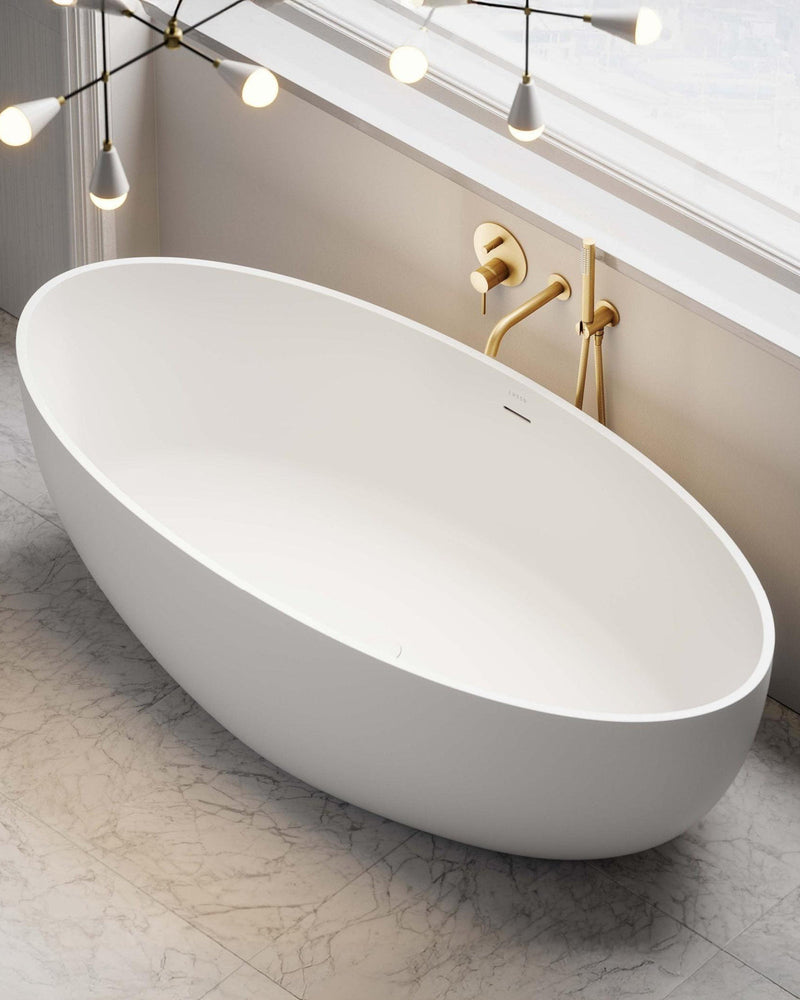
A pendant light can bring an elegant focal point to a bathroom, particularly when positioned above a freestanding bath. However, the fitting must be suitable for its location and comply with UK bathroom electrical regulations. In Zone 2, an IP44-rated pendant or higher may be appropriate, provided it meets the requirements for the installation.

Height is also an important consideration. The applicable bathroom zones and clearance requirements depend on the fitting's position in relation to the bath or shower, so there is no single drop-height rule for every pendant.

Higher ceilings can offer greater flexibility, creating space for decorative lighting above a freestanding bath. Before choosing your fitting, have a qualified electrician confirm the permitted location, required IP rating and installation height.


Task Lighting Around the Basin: Wall Sconces and Downlights

Effective vanity lighting is essential for both functionality and aesthetics. A common mistake is positioning a single downlight directly above the basin, which can cast unflattering shadows beneath the eyes and chin. 

Instead, consider IP44 bathroom wall lights mounted either side of a mirror, ideally at eye level  (approximately 150–165cm from the floor). This creates balance, even illumination, making everyday tasks easier while enhancing the overall ambience. 

For a cohesive design, style vanity wall sconce lights with backplates in brushed gold, matte black or polished nickel to complement your luxury basin taps and bathroom hardware.

Vanity lighting layout 

  • Position wall sconces 150–165cm from the finished floor, at eye level.
  • Place one light on either side of the mirror, ideally 75–90cm apart.
  • Allow even spacing between the mirror edges and fittings.
  • Avoid placing a single downlight directly above the basin to prevent harsh facial shadows.
  • Opt for warm white lighting (2700K–3000K) for flattering, comfortable illumination.

Bathroom Lighting Trends vs UK Safety Regulations

How to Safely Create the Ambient Shower Aesthetic

The rise of ambient shower mood lighting has become a significant interior trend, with freestanding lamps and ambient shower lights placed in walk-in showers. While these bathroom lighting ideas create an inviting, spa-like atmosphere, placing portable battery lamps or non-rated fittings inside a shower presents significant moisture and electrical safety risks. 

Under UK regulations, lighting must be suitable for its designated bathroom zone and exposure to water. To achieve the same tranquil aesthetic without compromising safety, incorporate IP-rated, hardwired ambient shower lights into your layout. Recessed LED strips, concealed wall lighting and sealed fittings can introduce a subtle, layered look while achieving the serene ambience. 

Explore our luxury wet room collections.


Low-Glare Recessed Downlights and 12V SELV Niche Illumination

IP65-rated recessed downlights offer a discreet, low-glare solution above the shower tray, with separate dimmer circuits for greater ambience control. For a softer touch, consider luxury shower niches with waterproof, low-voltage  ( SELV) LED tape, concealed behind a tiled lip to cast a gentle downwash across the surfaces. This subtle detail adds depth while highlighting luxury materials and finishes. For safety, position all LED drivers and transformers in a separate, dry cupboard or roof space outside the bathroom zones. 

Illuminated and Heated Mirrors: Wiring, Placement, and Safety

Heated Bathroom Mirrors and Built-in Demisters

A heated bathroom mirror combines everyday practicality with understated luxury, ensuring a clear reflection even after hot showers. Integrated demister technology works through a discreet heating pad positioned behind the glass, gently warming the surface to prevent condensation from forming. Typically installed above the wash basin, these mirrors are often in bathroom zone 2, where an IP44 rating is required.

Beyond their elegant appearance, demister LED mirrors offer everyday convenience and cleanliness, eliminating the need to wipe away mist with towels and avoiding streaks and smudges.


Wiring a Heated Demister Mirror to Your Bathroom Lighting Circuit

Understanding how to wire a heated demister bathroom mirror to a lighting circuit will ensure safety in your bathroom. 

Wiring a bathroom mirror by connecting the LED mirror to the light switch allows the integrated illumination and demister pad to operate alongside the wall switch and create a seamless finish. Alternatively, connect the LED bathroom mirror to an independent circuit, controlled by an external rocker switch or integrated infrared touch sensor. 

Before plastering and tiling, arrange cable routes to avoid costly, disruptive alterations on stone or tiled walls. All hardwired bathroom mirror connections must be carried out, tested and certified by a suitably qualified electrician under a Part P registration to ensure they meet UK electrical safety requirements. 

Explore our luxury mirror collection. 


Battery LED Bathroom Mirrors vs Mains-Powered Fittings

When selecting an illuminated bathroom mirror, the choice between hardwired vs battery mirrors will depend on the desired functionality and installation requirements of your bathroom. 

Battery LED bathroom mirrors offer a convenient, flexible solution, powered by rechargeable or replaceable batteries. They are suited to cloakrooms, rental properties or renovations where installing new mains wiring is impractical. 

However, battery-powered bathroom mirrors provide a continuous power supply, supporting brighter LED illumination and reliable demisting without the need for regular recharging. They must still meet the appropriate IP rating, with IP44 required for fittings installed in zone 2 around basins and luxury vanity units.

Using Sockets, Switches, and Power Outlets Under UK Law

Where Can Electrical Shaver Sockets Be Installed in a UK Bathroom?

Understanding where electrical shaver sockets can be installed in a UK bathroom is essential for bathroom safety. Standard 230V domestic three-pin sockets are not permitted within Zones 0, 1 or 2 and must be positioned at least 2.5 metres horizontally from the boundary of Zone 1. This means they are often only suitable for larger bathrooms. 

Following the bathroom shaver socket rule means shaver supply units are permitted in Zone 2, with compliant models meeting BS EN 61558-2-5, because of their built-in isolating transformer. 

For a seamless finish, position a dedicated shaver socket beside the basin or discreetly integrate one into a bathroom mirror cabinet, providing convenient access for electric toothbrushes and shavers without compromising the overall design.


Light Switches, Pull Cords, and Low-Voltage Controls

Bathroom light switches require careful consideration to balance everyday convenience with electrical safety. Under UK wiring regulations (BS 7671), standard 230V wall switches are not permitted within Zones 0, 1 or 2, where exposure to moisture increases the risk of electric shock. Instead, consider ceiling-mounted pull cord switches with insulated cords, following the pull cord switch regulations, or position conventional bathroom light switches and dimmers outside the bathroom entrance. 

Low-voltage touch sensors integrated into IP-rated illuminated mirrors offer discreet control without compromising the aesthetic. Bathroom PIR sensors provide another sophisticated solution, automatically activating lighting as you enter the room. Whichever option you choose, ensure the installation complies with the relevant bathroom electrical fittings and requirements.


Planning Lighting by Bathroom Size

Small Bathrooms: How to Manage Zone Boundaries

In compact bathrooms, cloakrooms and en-suites, careful electrical planning is essential to maximise both safety and space. In a typical 2m x 2m layout, en-suite Bathroom Zones 1 and 2 extend across most of the room, leaving limited space for conventional fittings. 

Rather than allowing overlapping zone boundaries to complicate the design, select IP44 or IP65-rated fittings where appropriate, including mirrors, ceiling lights and extractor fans.

Small bathroom lighting such as slimline LED mirrors, flush-fitting ceiling lights and recessed downlights help maintain a sense of openness while keeping walls uncluttered. 

Thoughtful cloakroom electrical planning will ensure even the smallest spaces feel refined and beautifully considered.

Explore small bathroom space-saving ideas and our small space bathroom collection for further inspiration. 


Large Bathrooms: The Freedom of Space & High Ceilings

Large floorplans offer greater creative freedom when designing a bathroom lighting scheme. With more areas falling outside the designated bathroom zones, there is more flexibility to incorporate decorative wall lights, statement pendants and sculptural ceiling fixtures. 

In bathrooms with ceilings higher than 2.25 metres, the space above this height is considered unzoned, creating more space for statement high-ceiling bathroom lighting. A beautifully proportioned chandelier suspended above a luxury stone bath can become a striking focal point, adding an elegant finishing touch to luxury master bathroom lighting. 

However, bathroom chandelier rules still require careful consideration, particularly when determining fitting drop lengths. Ensure fixtures hang at a suitable height, clear of occupants and excessive steam exposure, while maintaining the intended visual impact.

LUSSO Lighting & UK Compliance

When selecting UKCA bathroom lighting, look for UKCA and CE markings, which indicate compliance with applicable product safety requirements. UKCA applies in Great Britain, while CE remains recognised across the European Economic Area and Northern Ireland. Always check that fittings also carry the appropriate IP rating for their installation location.

Professional electrical installation is essential to ensure safe, reliable performance. Fixed fittings should be installed by qualified tradespeople in accordance with BS 7671, with incorrect installation potentially affecting warranty eligibility.

Lusso electrical fittings, lighting and illuminated mirrors come with a two-year Lusso lighting warranty against manufacturing defects, alongside a 15-year brassware guarantee and lifetime stone guarantee.

For trade quotations or project advice, contact Lusso Sales support on +44 20 3370 4057 or email sales@lusso.com.

Explore the complete Lusso collection and further information on our extensive buying guides.

Bathroom Electrical Do’s and Don’ts

Do:

  • Always use a Part P registered electrician to carry out and certify bathroom wiring.
  • Check the IP rating of every fitting before buying to ensure it fits the zone.
  • Use IP44-rated fittings as a sensible standard across small en-suites.
  • Run first-fix cables for mirrors and wall sconces before plastering and tiling.
  • Ensure all bathroom electrical circuits are backed by a 30mA RCD unit.

Don’t:

  • Never attempt DIY electrical work in a bathroom.
  • Never fit standard 230V household plug sockets within 2.5 metres of a bath or shower.
  • Never use non-IP-rated (IP20) lights in Zones 0, 1, or 2.
  • Never install standard wall toggle switches inside splash zones; use pull cords or external switches.
  • Never install unsealed, open-bulb fittings directly above an enclosed shower.

UK Bathroom Zones & Lighting FAQs

What are the safety distance rules for bathroom electrical zones in the UK?

Zone 0 covers the interior of the bath or shower tray. Zone 1 extends 2.25 metres above the bath or shower, or 1.2 metres from a fixed shower head in certain wet rooms. Zone 2 extends 0.6 metres beyond Zone 1 and 0.6 metres around wash basin taps. Areas beyond these boundaries are classed as Outside Zones.

What is the difference between IP44 and IP65 bathroom light ratings?

P44 bathroom lights protect against solid objects larger than 1mm and water splashes from any direction, making them suitable for Zone 2 around mirrors and basins. IP65 fittings are dust-tight and protected against low-pressure water jets, making them suitable for Zone 1 locations exposed to direct shower spray.

What IP rating is required for a light fitting directly inside a shower?

For lights submerged within a shower floor or tray (Zone 0), an IP67 or IPX7 rating and a 12V SELV supply are required. For ceiling downlights directly above the shower head (Zone 1), IP44 is the minimum requirement under UK regulations, although IP65 is recommended for greater water-jet protection

Can you install a pendant light in bathroom zone 2?

Yes, you can install a pendant light in Bathroom Zone 2, provided it carries a minimum IP44 rating. The bottom of the fitting must hang at least 2.25 metres above the finished floor. In bathrooms with higher ceilings, decorative IP20 fittings can be installed above the 2.25-metre zone boundary.

Where can electric shaver sockets be installed in a UK bathroom?

Electric shaver sockets with a compliant BS EN 61558-2-5 isolating transformer can be installed in Zone 2, typically beside the vanity basin. Standard 230V three-pin domestic sockets are prohibited in Zones 0, 1 and 2 and must be positioned at least 2.5 metres from the boundary of Zone 1.

How do you wire a heated demister bathroom mirror to a lighting circuit?

A heated demister bathroom mirror can be hardwired into the main lighting circuit via a switched fused spur, allowing the LEDs and demister pad to operate with the wall switch. Alternatively, use an independent circuit with an external switch or integrated touch sensor. All wiring should be planned at first fix and completed by a qualified electrician.

What guarantee does LUSSO provide on bathroom lighting and mirrors?

Lusso provides a two-year guarantee on all electrical fittings, bathroom lighting and illuminated mirrors against manufacturing defects. This sits alongside a 15-year guarantee on brassware and a lifetime guarantee on stone baths and basins. To maintain guarantee eligibility, products must be installed by qualified professionals in accordance with the relevant installation guidelines.